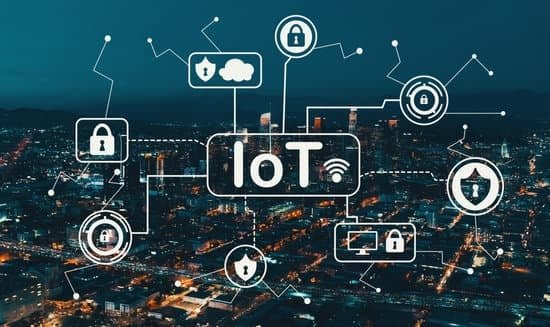
The Internet of Things, commonly known as IoT, is transforming how devices interact with the world around them. It connects everyday objects to the internet, allowing them to collect, share, and act on data. From smart homes to industrial systems, IoT has become a key technology driving automation and efficiency.
As connected devices continue to grow, IoT is reshaping industries and daily life in powerful ways.
What Is the Internet of Things?
The Internet of Things refers to a network of physical devices embedded with sensors, software, and connectivity that enables them to exchange data. These devices can communicate with each other and with centralized systems without requiring constant human input.
IoT devices range from household appliances and wearable technology to complex industrial machines. The goal of IoT is to create smarter systems that respond automatically to real-world conditions.
How IoT Works
IoT systems operate through a combination of sensors, connectivity, data processing, and user interfaces. Sensors collect data such as temperature, motion, or location. This data is transmitted over networks to processing platforms.
Once analyzed, the system takes action or provides insights through dashboards, alerts, or automated responses. Many IoT systems work alongside cloud and edge computing to improve performance and reliability.
Applications of IoT
IoT technology is used across various industries to enhance operations and user experiences.
Smart Homes
In smart homes, IoT devices control lighting, heating, security, and appliances. These systems improve comfort, energy efficiency, and home safety.
Healthcare
IoT supports remote patient monitoring, wearable health devices, and smart medical equipment. Real-time data helps healthcare providers make informed decisions and improve patient care.
Industrial IoT
Manufacturing and industrial environments use IoT to monitor equipment, optimize production, and predict maintenance needs. This reduces downtime and improves efficiency.
Transportation
IoT enables vehicle tracking, traffic management, and fleet optimization. These systems help reduce congestion and improve transportation safety.
Agriculture
Smart farming uses IoT sensors to monitor soil conditions, weather, and crop health. This helps farmers improve yields and manage resources effectively.
Benefits of the Internet of Things
IoT offers several advantages that make it valuable across sectors.
Increased Efficiency
Automation powered by IoT reduces manual effort and improves operational speed. Systems can respond instantly to changing conditions.
Better Decision-Making
IoT provides real-time data that helps organizations make informed decisions. Data-driven insights lead to improved performance and outcomes.
Cost Savings
By optimizing processes and reducing waste, IoT helps lower operational costs. Predictive maintenance prevents expensive equipment failures.
Improved User Experience
IoT enhances convenience by enabling personalized and responsive services. Users benefit from smarter and more intuitive systems.
Examples of IoT in Everyday Life
IoT is already part of daily routines. Fitness trackers monitor activity and health metrics. Smart thermostats adjust temperature based on user behavior. Connected vehicles provide navigation and safety features.
In cities, IoT supports smart street lighting, waste management, and public safety systems, improving urban living.
Challenges of IoT Adoption
Despite its benefits, IoT adoption presents challenges. Security and data privacy are major concerns due to the large number of connected devices. Managing and maintaining IoT systems also requires careful planning and expertise.
Ensuring interoperability between devices and platforms is another important consideration.
Future of IoT Technology
The future of IoT is promising as devices become more intelligent and interconnected. Integration with advanced data analytics and automation will further enhance capabilities.
IoT is expected to play a central role in building smarter homes, industries, and cities.
Conclusion
The Internet of Things is transforming how devices communicate and operate. By enabling real-time data exchange and automation, IoT improves efficiency, decision-making, and user experiences.
As technology continues to evolve, IoT will remain a driving force behind innovation and connected digital ecosystems.