
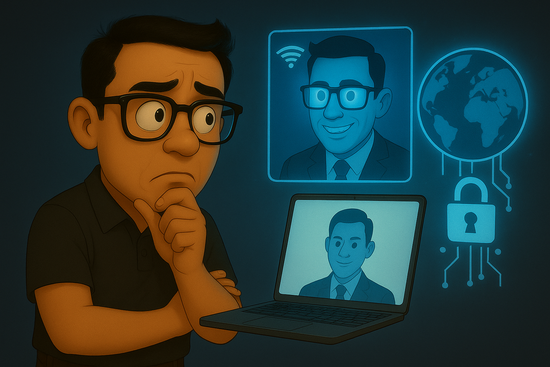
As digital technology continues to grow, cybersecurity has become more important than ever. Businesses, governments, and individuals rely heavily on digital systems, making them attractive targets for cybercriminals. Modern cyber threats are more sophisticated, more frequent, and more damaging than in the past.
Understanding the latest cybersecurity trends and emerging threats is essential for staying protected in an increasingly connected world.
The Growing Importance of Cybersecurity
Cybersecurity refers to the practices and technologies used to protect systems, networks, and data from unauthorized access and attacks. With the rise of cloud computing, remote work, and digital payments, the amount of sensitive data shared online has increased significantly.
This rapid digital expansion has created new opportunities for attackers, forcing organizations to constantly update their security strategies.
Key Cybersecurity Trends in 2025
Cybersecurity is evolving quickly to counter new risks. Several important trends are shaping how organizations defend their systems.
Increased Use of Artificial Intelligence in Security
Security teams are increasingly using intelligent systems to detect unusual behavior and potential threats in real time. These systems analyze massive amounts of data and identify patterns that may indicate an attack.
At the same time, attackers are also using advanced tools, making cybersecurity a constantly evolving challenge.
Zero Trust Security Models
The traditional approach of trusting users inside a network is no longer effective. Zero trust security follows the principle of “never trust, always verify.” Every user, device, and request must be verified before access is granted.
This model reduces the risk of internal threats and limits damage if a breach occurs.
Cloud Security Becomes a Priority
As more organizations move data and applications to the cloud, securing cloud environments has become a top concern. Companies are focusing on stronger access controls, encryption, and continuous monitoring to protect cloud-based systems.
Focus on Data Privacy and Compliance
Governments around the world are introducing stricter data protection laws. Organizations are investing in cybersecurity solutions that help them comply with regulations and protect user privacy.
Major Cybersecurity Threats to Watch
Alongside new trends, cyber threats are becoming more advanced and difficult to detect.
Ransomware Attacks
Ransomware remains one of the most serious cybersecurity threats. Attackers encrypt important data and demand payment in exchange for restoring access. These attacks can disrupt operations and cause significant financial losses.
Phishing and Social Engineering
Phishing attacks trick users into revealing sensitive information by pretending to be legitimate sources. These attacks often use emails, messages, or fake websites that appear trustworthy.
Social engineering relies on human error rather than technical weaknesses, making it especially dangerous.
Supply Chain Attacks
Instead of targeting an organization directly, attackers compromise trusted third-party vendors or software providers. This allows them to access multiple systems through a single point of entry.
Supply chain attacks are difficult to detect and can affect large numbers of users.
Internet of Things Vulnerabilities
Smart devices such as cameras, sensors, and home automation tools often lack strong security measures. Attackers can exploit these weaknesses to gain access to networks or launch large-scale attacks.
Best Practices to Stay Secure
While cyber threats continue to evolve, there are steps individuals and organizations can take to reduce risk.
Strong passwords, multi-factor authentication, and regular software updates are essential. Educating users about phishing attempts and suspicious behavior also plays a critical role in preventing attacks.
Regular security assessments and data backups can minimize damage if an incident occurs.
Conclusion
Cybersecurity is no longer optional—it is a necessity in today’s digital world. As cyber threats become more complex, staying informed about the latest trends and risks is the first step toward effective protection.
By understanding modern cybersecurity challenges and adopting proactive security measures, individuals and organizations can better defend their data, systems, and digital assets against evolving threats.